By clicking “Accept All Cookies”, you agree to the storing of cookies on your device to enhance site navigation, analyze site usage, and assist in our marketing efforts. View our Privacy Policy for more information.
Consistency: The Only Growth Hack You Need
Real growth requires effort, not convenience. Learn why consistency is the ultimate "hack" for achieving long-term results in your health, strength, relationships, and career.
By
May 20, 2026

Related

We live in a world built around convenience:
- Food delivery
- Online shopping
- Streaming services
- Drive-thrus
- Apps that eliminate waiting
- Shortcuts for almost everything
While this is not inherently bad, at some point in life, most of us realize that convenience and growth rarely coexist.
Why?
Growth takes effort.
Results come from what you put in.
This premise applies to all areas of your life - health (physical and mental), strength, relationships, career, spirituality and confidence.
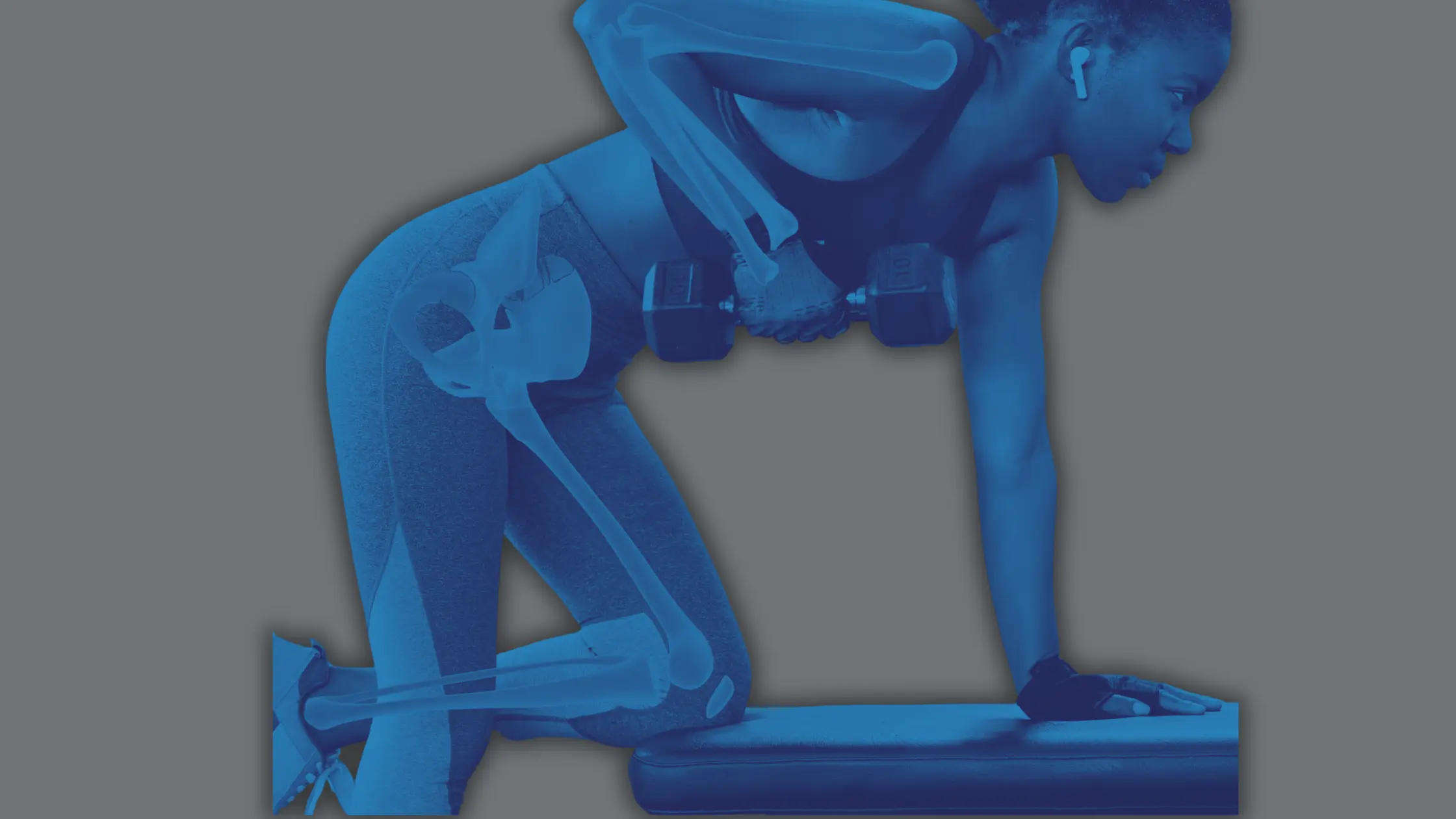
The human body and mind are designed to adapt positively to challenges. In the fitness industry, we refer to it as the SAID Principle (Specific Adaptations to Imposed Demands). Your body adapts specifically to the type of stress or training load placed upon it.
- If you consistently challenge your muscles, they become stronger.
- If you stop challenging them, they adapt to that, too.
In accepting this, then it’s easy to extend the same logic too:
- You cannot build strength by talking about workouts.
- You cannot improve endurance by wishing you had more energy.
- You cannot maintain muscle and bone density by hoping your body stays the same as you age.
The workouts you least want to do are usually the ones that matter most. Real progress comes from showing up consistently, especially when it’s inconvenient or you're not feeling motivated.
- Showing up to the strength training session you committed to instead of lounging around drinking coffee before work.
- Heading out to the yoga class after work to unwind instead of binge-watching shows.
- Pushing yourself out the door for an early morning jog to kickstart your day.
- Packing the healthy meal prepped lunch instead of ordering takeout again.
- Choosing to go to bed earlier instead of staying up scrolling.
Those decisions seem small in the moment.
But over weeks, months, and years, keeping promises like this to yourself creates the habits behind your long-term health and ability to age well.
For women, this is especially important during perimenopause and menopause, when it’s natural to begin losing muscle mass and bone density at a faster rate due to hormonal changes. Research from the North American Menopause Society and the American College of Sports Medicine continues to support strength training as one of the most effective tools for maintaining muscle, preserving bone health, improving balance, and supporting long-term metabolic health.
And for men, starting around their 30s and 40s, muscle mass, strength, power, and bone density naturally begin to decline, especially with reduced physical activity. Testosterone levels gradually decrease with age, and recovery tends to slow down. When this is combined with long periods of sitting and less regular movement, those changes can accelerate. Just like with women, the research supports strength training as one of the most effective ways for men to maintain muscle mass, support joint health, improve metabolic function, preserve bone density, and maintain long-term independence and physical capability.
Let’s look beyond fitness.
- Strong relationships are not built through convenience. They are built through communication, patience, consistency, forgiveness, and time invested over years.
- Career growth doesn’t usually come from staying comfortable. Confidence at work is often built through repetition, failure, learning, hard conversations, and continuing to show up when things feel uncomfortable.
Mental resilience works the same way.
Research from the Centers for Disease Control and Prevention shows that regular physical activity and solid social connections improve mood, cognitive health, sleep quality, and overall quality of life. But those benefits come from consistency, not occasional bursts of motivation.
And consistency gets harder when convenience is always available.
That’s part of the challenge of modern life.
We are constantly being sold the idea that there is an easier way:
- The quick fix
- The shortcut
- The “hack”
- The magic supplement
- The 30-day transformation
But sustainable results for a healthy life are usually built through boring basics repeated consistently.
- 2-3x week of resistance training
- 7k-10 steps of walking
- 7+ hours of sleep.
- 80% healthy eating
- 10–30 minutes of stress management daily
- 8+ cups of water
- 90-120 days of showing up - before results are visible
None of these things are flashy, but they work.
A fulfilling and healthy life is not created on fitness alone. Community plays a major role as well. Being around others who are committed to growth changes everything. When coaches know your name, people expect to see you, and you’re surrounded by others doing hard things, consistency becomes easier.
Over time, your identity starts to shift.
You stop thinking:
“I’ll work out when I feel motivated.”
And you start thinking:
“I’m someone who takes care of myself.”
“I’m someone who trains.”
“I’m someone who follows through.”
That shift is powerful because identity drives long-term behavior far more than motivation ever will.
None of this requires perfection.
Rest matters.
Recovery matters.
Comfort has a place.
But it’s worth paying attention to how often convenience is making decisions for you.
Because, as we said earlier, comfort and growth rarely happen at the same time.
And whether we’re talking about strength, health, confidence, resilience, or life itself, the truth stays the same:
Growth takes effort.
Results come from what you put in.
And, at the end of the day, it’s on you to become the person you want to be.